Government Released Advice Index
@elliotadjr294
September 19, 2026 · 3 min read
Party Wall Etc Act 1996 Party Wall Awards Unexposed And Pre-existing Flaws Trowers & Hamlins Law Helpful site Practice
An event wall is a wall surface that stands on the land of 2 (or more) proprietors and usually develops component of a building. This can be part of one building only, or several buildings who have different owners. In some cases a celebration wall surface does not develop component of a building e.g. a garden wall (not including wood fences). A celebration wall can also be situated on a single person's land yet utilized by 2 or more proprietors of separate residential properties. The process can be complex and complicated-- secure the stress by speaking with our group today concerning your potential party wall issues.
Can A Party Wall Property Surveyor Determine The Place Of A Limit Under The Event Wall Surface Etc Act 1996?
That could mean there is more than one "proprietor" of a solitary building. If you are not sure, talk to your neighbours or examine the Goverment's Land Computer system registry. Generally the homeowner suggesting the jobs to their residential property is defined as a Building Owner and the neighbors adjoining where those propositions are being made known as the Adjoining Owner.

- Extremely rarely, a dissatisfied neighbour might attempt to obstruct accessibility to their land.
- The notice should include different details such as the exact names of the celebrations entailed, relevant days and must likewise include citations of the pertinent information of the Act, a summary of the proposed jobs and sometimes certain drawings.
- Generally the property owner suggesting the jobs to their building is defined as a Structure Owner and the neighbours adjacent where those proposals are being made called the Adjoining Owner.
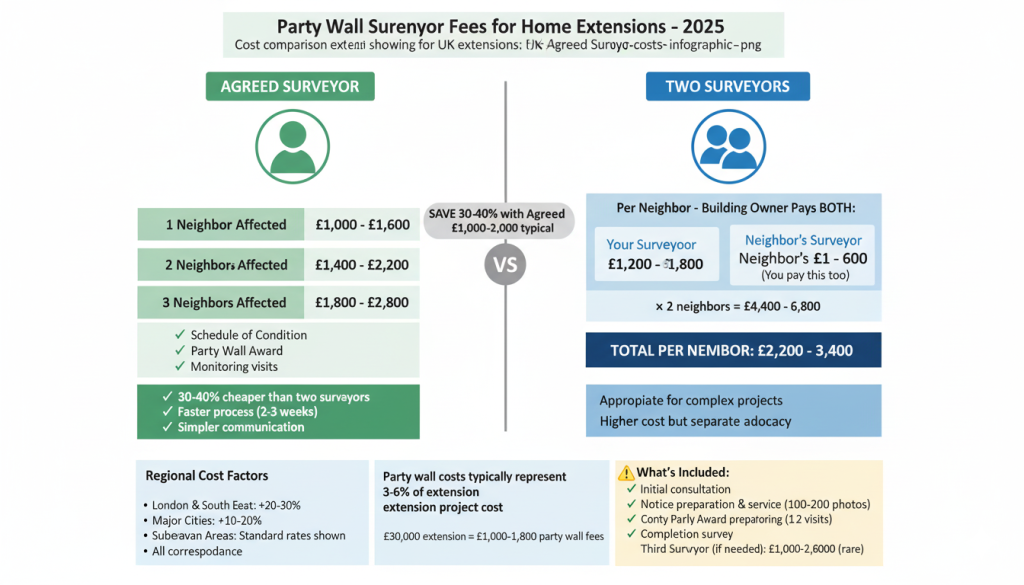
The Effective Benefits Of Utilizing A Concurred Surveyor In Residential Tasks
This write-up considers the damages done to self-confidence in the Event Wall Surface Act by the misdirected belief that event wall surface surveyors are unbiased saints. To act impartially is to treat parties to the conflict just as and relatively. Presumably, this is a worthy passion for property surveyors carrying out the Act. Celebration wall land surveyors like to substantially and heroically state 'I act for the wall!
Minor misconceptions regarding noise, gain access to, or residential or commercial property limits can promptly intensify into significant conflicts. You need to remember that reaching agreement with the Adjoining Proprietor or owners under the Act does not remove the possible requirement to get planning authorization or to adhere to building policies treatments. Alternatively, gaining preparation consent owner obligations or abiding by the building guidelines does not remove the need to adhere to the Act where it applies.